Housing Associations & Social Housing
Governance that supports homes, communities, and people.
Effective governance is one of the most critical factors in a housing association's success — yet it remains one of the most complex and demanding responsibilities in the sector. Board members carry significant legal, financial, and regulatory duties, often alongside the weight of decisions that directly affect the lives of thousands of tenants and residents.
At its best, housing association governance provides the strategic leadership, accountability, and oversight that allows executive teams to focus on what matters most — delivering safe, high-quality homes and services to some of the most vulnerable people in society. A strong board sets the vision and values of the organisation, holds leadership to account, and ensures that public and private funding is managed with integrity and purpose.
Poor governance, on the other hand, creates serious risk. Housing associations with weak governance structures are more vulnerable to financial instability, regulatory intervention, reputational damage, and — most critically — failures that affect tenants directly. The Regulator of Social Housing has made clear that governance failures are among the most significant risks facing the sector, and a poorly functioning board can quickly become an existential threat to an organisation.
Good governance isn't just about compliance. It's about creating the conditions in which housing providers can thrive — where leaders are supported, decisions are well-made, and the interests of tenants, communities, and wider stakeholders are properly protected.
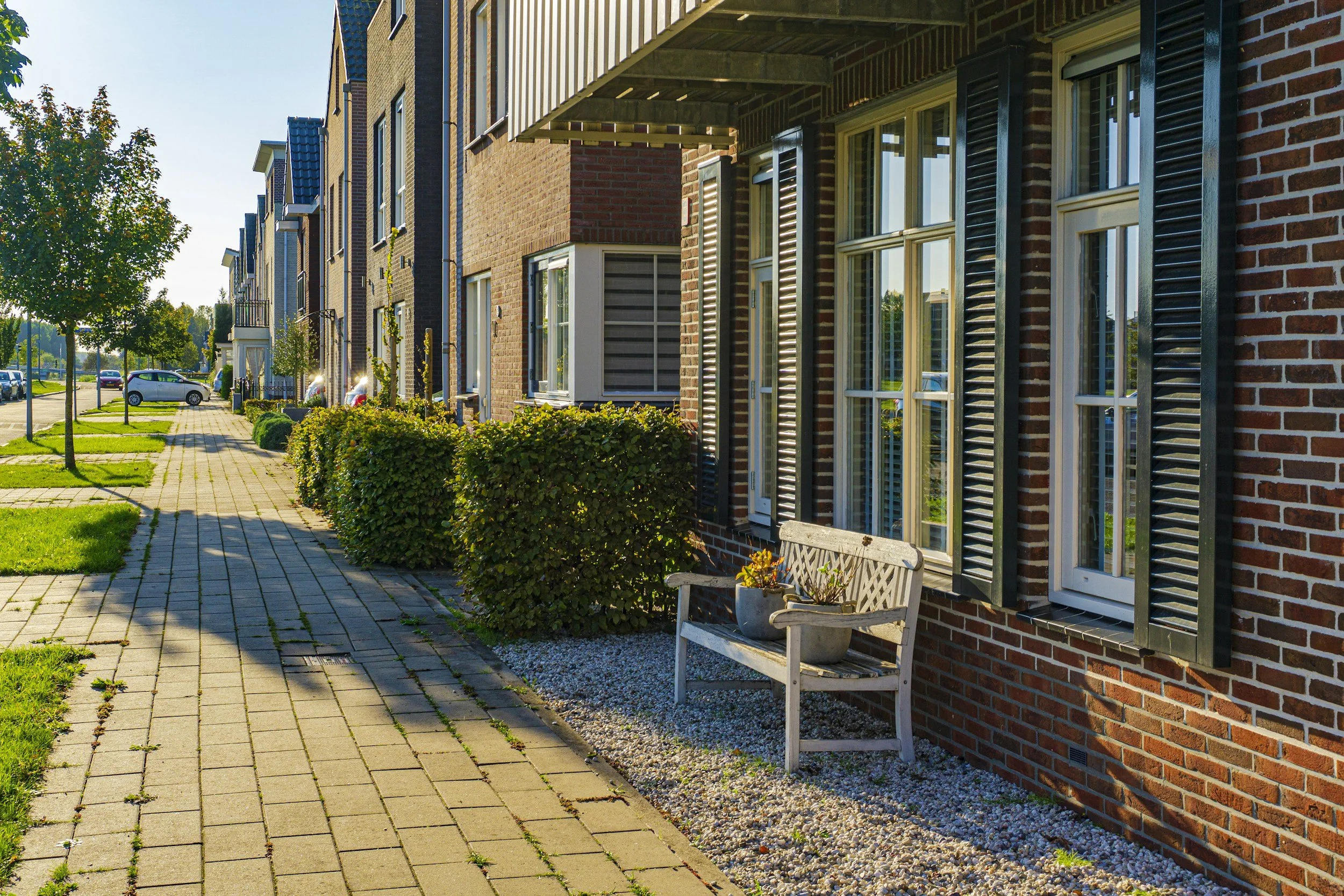
Governing a housing association is one of the most consequential roles in the social housing sector. Getting governance right isn't just about satisfying regulators. It's about ensuring that every resident receives the standard of housing and service they deserve.
The Changing Landscape — Scrutiny, Consolidation, and the Consumer Standards
Social housing governance in England has undergone significant change in recent years, and the pace of that change shows no sign of slowing. A series of high-profile failures — most notably the aftermath of the Grenfell Tower fire and the mounting crisis around damp, mould, and disrepair — have fundamentally altered the relationship between housing providers, their tenants, and their regulators.
The Social Housing (Regulation) Act 2023 marked a watershed moment. It significantly strengthened the powers of the Regulator of Social Housing, introduced proactive consumer regulation for the first time, and placed the safety, voice, and experience of tenants at the centre of regulatory expectations. The era of largely self-reported compliance is over — boards can now expect greater scrutiny, more frequent inspections, and real consequences for governance and service failures.
Consolidation has added further complexity. The growth of larger housing groups and mergers across the sector means many boards are now overseeing complex, multi-entity structures with significant geographic spread, diverse asset bases, and increasingly sophisticated treasury and development activities. The governance frameworks needed to oversee these organisations must keep pace with their scale and ambition.
At the same time, housing associations face an increasingly challenging operating environment — with rising costs, a stretched development programme, ageing stock, and the demands of decarbonisation all competing for attention and resources. Boards that are not operating at the highest level of effectiveness are unlikely to navigate these pressures successfully.
Whether a small community-based housing association, a mid-sized regional provider, or a large national group, the governance challenges are real — and the consequences of getting them wrong are significant.

The Regulatory Framework — RSH, the Consumer Standards, and the Governance and Financial Viability Standard
The Regulator of Social Housing sets clear and demanding expectations for housing association governance, underpinned by a framework that has grown substantially in scope and rigour in recent years.
The Governance and Financial Viability Standard remains the cornerstone of the regulatory framework — requiring registered providers to demonstrate that they are effectively governed, financially viable, and have the capacity to meet their obligations. The Regulator assesses compliance through a combination of In-Depth Assessments, reactive engagement, and — increasingly — proactive inspection. Governance ratings of G1 and G2 signal effective and reasonable governance respectively; a downgrade to G3 or G4 carries serious consequences, including reputational damage, restrictions on development activity, and intensive regulatory oversight.
The Consumer Standards — now substantially strengthened following the 2023 Act — set out expectations across four areas: the Safety and Quality Standard, the Transparency, Influence and Accountability Standard, the Neighbourhood and Community Standard, and the Tenancy Standard. Boards are now directly accountable for ensuring their organisations meet these standards and that they have robust assurance mechanisms in place to know whether they are doing so.
The new inspection regime means that housing associations can expect periodic, unannounced inspections of their consumer compliance — with outcomes published and made public. Boards that cannot demonstrate genuine oversight and accountability for tenant outcomes will find themselves exposed.
For larger and more complex organisations, the National Housing Federation's Code of Governance provides the sector's leading voluntary governance framework, setting expectations for board composition, effectiveness, remuneration, and transparency. While voluntary, adoption of the Code — or a clear explanation of departures from it — is increasingly treated as an indicator of governance quality by the Regulator and by lenders.
The regulatory environment will continue to evolve. Boards that are reactive rather than proactive — waiting for intervention rather than continuously strengthening their governance — are taking an increasingly significant risk.

Establishing a Resident Scrutiny Committee
The strengthened Consumer Standards place a clear expectation on housing associations to take the resident voice seriously — not as a tokenistic exercise, but as a genuine and structured mechanism for accountability and improvement. A well-designed Resident Scrutiny Committee is one of the most effective ways to meet this expectation, giving residents a meaningful and independent role in evaluating the services they receive and holding the organisation to account.
Done well, resident scrutiny strengthens the connection between boards, executive teams, and the people they serve. It provides a structured channel through which tenant experience can inform strategic decisions, surface issues that might otherwise go unheard, and demonstrate to the Regulator that the organisation takes transparency and accountability seriously. Done poorly — with ill-defined terms of reference, inadequate support for members, or a culture that treats scrutiny as a box-ticking exercise — it can create risk without delivering any of the benefits.
Setting up an effective Resident Scrutiny Committee requires careful thought about structure, membership, remit, and how the committee connects to the wider governance framework. It also requires a genuine commitment to supporting resident members — many of whom will be engaging with formal governance processes for the first time — to participate with confidence and real impact.
We support housing associations through every stage of establishing and embedding a Resident Scrutiny Committee:
Designing the structure and terms of reference — working with you to design a committee that is fit for purpose, clearly scoped, and properly integrated into your governance framework, with terms of reference that give members clarity about their role, remit, and relationship with the board and executive
Recruiting and selecting resident members — supporting you to run a fair, transparent, and inclusive recruitment process that attracts committed and representative members from across your resident community
Training and developing committee members — providing tailored induction and ongoing development for resident members, equipping them with the knowledge, skills, and confidence to scrutinise effectively and constructively
Ongoing advisory support — remaining available as an ongoing resource for the committee and for the organisation, helping to embed good practice, navigate challenges as they arise, and ensure the committee continues to develop and add real value over time
A Resident Scrutiny Committee should be an asset to your organisation — a genuine source of insight, challenge, and accountability that strengthens your relationship with residents and supports your compliance with the Consumer Standards. We can help you build one that delivers exactly that.

What Our Governance Reviews Look Like for Housing Associations
Our governance reviews are designed to give boards an honest, independent, and constructive assessment of how effectively they are operating — and a clear roadmap for improvement.
One of the biggest challenges facing housing associations is that governance requirements, expectations, and best practice are spread across multiple documents, frameworks, and regulatory sources — from the RSH's standards and guidance, to the NHF Code, sector-specific best practice, and the expectations of funders and lenders. We bring all of that together, providing a single, clear governance framework that gives boards the clarity and confidence to know exactly where they stand and what good looks like.
We work with housing associations of all sizes and structures, tailoring our approach to the specific context, complexity, and needs of each organisation. Our reviews are not a compliance audit — they are a genuine examination of governance quality, designed to strengthen the board and build long-term confidence.
Our reviews typically cover:
Board composition, skills and development — whether the board has the right mix of skills, experience, and diversity to discharge its responsibilities effectively, and whether members are properly inducted, supported, and developed in their roles
Roles, responsibilities and delegation — clarity of accountabilities across the governance structure, including between parent boards and subsidiaries in group structures, and between governance and executive leadership
Strategic oversight and challenge — how effectively the board sets and monitors strategy, holds leadership to account, and scrutinises performance data, financial information, risk, and the delivery of tenant outcomes
Compliance with the RSH standards and the NHF Code — identifying any gaps or areas of concern against regulatory requirements and sector best practice, and supporting the board to address them
Tenant scrutiny and accountability — how effectively the board understands and responds to the tenant voice, and whether it has robust mechanisms to assure itself of compliance with the Consumer Standards
Board culture, dynamics and effectiveness — how the board works together, the quality of debate and decision-making, the effectiveness of the chair, and whether the board's culture supports openness, challenge, and continuous improvement
Governance infrastructure — the quality of governance support, including meeting papers, minutes, committee structures, and the support available to the board
Following every review, we provide a detailed written report with clear, prioritised recommendations — and we remain available to support implementation, not just deliver findings.
Let’s Work Together